
Traveling is thrilling, but it can also bring unexpected challenges if security and safety aren’t a priority. From pickpockets in busy cities to lost passports and digital threats, knowing how to stay safe while traveling is just as important as packing the right luggage.
This guide dives deep into Toiletry & Personal Cares, covering actionable tips, must-have gear, and smart strategies to protect yourself and your belongings so you can enjoy a worry-free trip.
Why Travel Security & Safety Matters
Travelers often underestimate risks. According to recent travel safety studies, theft and lost documents are among the top reasons trips are disrupted. Preparing in advance reduces stress, saves money, and ensures your journey is enjoyable.
By combining practical travel essentials with smart security measures, you can avoid common pitfalls and confidently explore new destinations.
Travel Security Essentials: Gear That Protects Your Belongings
Anti-Theft Bags and Luggage
Key Features to Look For:
- Slash-Resistant Material: Prevents opportunistic thieves from cutting into your bag.
- Lockable Zippers: Use TSA-approved locks for air travel security.
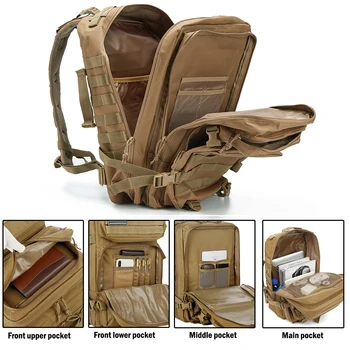
- Hidden Compartments: Store passports, cash, and electronics discreetly.
Example: Anti-theft backpacks with RFID-blocking compartments are now a travel trend in Europe and Asia, reducing pickpocket risks in crowded areas.
RFID-Blocking Wallets and Passport Holders
Electronic theft is on the rise. RFID-blocking accessories protect sensitive data stored on credit cards and passports from scanners. Keeping these items in a secure travel wallet helps you prevent identity theft while on the move.
Portable Locks and Security Cables
- TSA-Approved Locks: Essential for checked luggage.
- Portable Security Cables: Can secure your bag to a stationary object in hostels, airports, or cafes.
Tip: Even simple precautions like locking your backpack to a chair in a café can prevent theft in unfamiliar environments.
Personal Safety Tips for Travelers
Situational Awareness
- Stay alert in crowded places such as airports, bus stations, and tourist hotspots.
- Avoid wearing flashy jewelry or displaying expensive tech, which can make you a target.
- Keep emergency contacts and local embassy info handy.
Travel Safety Apps
Smartphones can be powerful tools for personal safety:
- GPS Tracking Apps: Share real-time location with friends or family.
- Emergency Alert Apps: One-tap SOS features connect you to local authorities.
- Offline Maps: Useful when cellular service is unreliable.
Example: Travelers in South America often use offline maps combined with local safety alerts to navigate safely through busy markets.
Health and Safety Precautions
- First-Aid Kit: Band-aids, antiseptic wipes, prescription medications, and over-the-counter remedies.
- Water Safety: Use portable water filters or purification tablets in regions with uncertain tap water quality.
- Travel Insurance: Covers medical emergencies, theft, and unexpected disruptions.
Practical Security Habits
Pack Smart and Travel Light
- Minimize valuables in carry-ons; keep essential items close.
- Use packing cubes or organizers to maintain order and avoid constant digging, which can expose valuables.
Blend In With Locals
- Avoid looking like a tourist by dressing appropriately and keeping cameras or phones discreet.
- Use a money belt under clothing for cash and important documents.
Prioritizing travel security & safety ensures your adventures are memorable for the right reasons. By investing in anti-theft luggage, RFID-blocking wallets, portable locks, and smart safety habits, you can prevent theft, protect personal information, and stay prepared for emergencies.
Remember: safe travel isn’t just about gear—it’s about awareness, preparation, and smart habits.
For more insights on travel essentials and safety tips, explore our full collection of travel guides and subscribe to our newsletter for regular updates. Share this post with fellow travelers and help everyone enjoy worry-free adventures!


0 Comments